

Ginkgo Biloba Extract
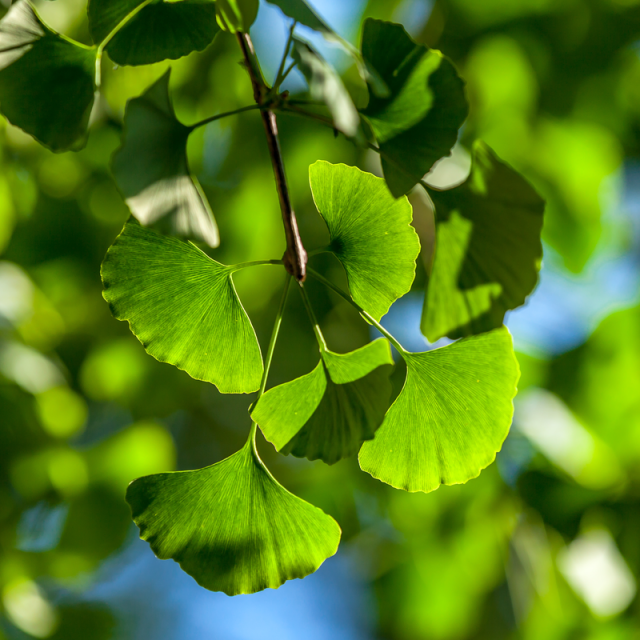
[Botanic Name] Ginkgo biloba L.Leaves
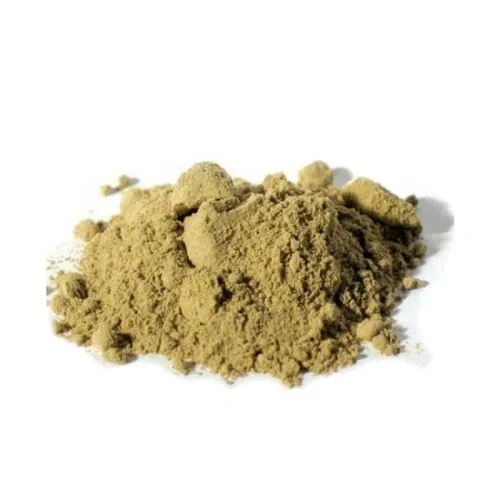
[Appearance] Brown Powder
Part Used:Leaf (Dry, 100% Natural leaves )
[Appearance] Brown fine Powder
[Specification] Ginkgo Biloba Extract USP 42
Our company provides USP-grade standardized ginkgo biloba extract with ≥24% flavonol glycosides and ≥6% terpene lactones, optimized for precise formulation by reliable plant extract manufacturers and suppliers.
Targeted Use for Cognitive Health Formulations
The ginkgo biloba leaf extract 24/6 USP is developed specifically for dietary supplement formulators and research institutions seeking a standardized botanical ingredient. It is primarily aimed at manufacturers producing cognitive health, memory support, and brain function products targeting aging populations or consumers requiring neuro-supportive formulations. Intended users include pharmaceutical developers, nutraceutical producers, and contract manufacturers needing consistent quality from a trustworthy plant extract supplier. This solution enables accurate ingredient profiling to meet both regulatory and market standards within clinical and commercial settings.
Technical Composition and Quality Compliance
This ginkgo extract is characterized by stringent quality controls, certified to USP 24/6 standards, specifying flavonol glycosides content ≥24% and total terpene lactones ≥6%, including quantified ginkgolides A, B, C, and bilobalide profiles. Produced as a fine light yellow-brown powder, the extract suits multiple dosage forms, including tablets and capsules. Manufactured in a GMP-certified facility, it undergoes identity verification by TLC and HPLC and adheres to strict contamination limits for heavy metals and microbial counts. Detailed technical data ensures reproducibility and batch-to-batch consistency for high-integrity end products formulated with ginkgo biloba extract.
Integration into Nutraceutical and Pharmaceutical Applications
Widely utilized in cognitive health supplements, the ginkgo leaf extract serves an essential role in formulations designed to support brain health and combat cognitive decline. Its standardized bioactive ingredient profile ensures compatibility with global regulatory frameworks for dietary supplements. This product is favored by product developers and research teams for both standalone use and combination with other botanical extracts, enhancing the value proposition in neuro-supportive nutraceutical markets. The plant extract manufacturers offering this ingredient emphasize traceability, supply reliability, and formulation flexibility to meet evolving market and compliance demands.
Product Advantages
Design and Manufacturing Integrity of Standardized Extract
The structural advantage of this ginkgo biloba extract lies in its rigorous standardization to ensure uniform concentration of flavonol glycosides and terpene lactones, essential for reproducible efficacy in end products. Manufactured within a GMP-compliant environment, the process incorporates precision-controlled extraction, purification modules, and strict identity testing protocols like TLC and HPLC. This design enables seamless integration into existing formulation workflows. Our company, as an experienced plant extract supplier, guarantees traceability and quality assurance that supports consistent raw material performance, essential for regulatory submissions and manufacturing scalability.
Optimized Performance and Compliance Support
The performance benefits of this ginkgo biloba leaf extract encompass high potency, purity, and stability under standard processing and storage conditions, contributing to reliable dosage accuracy in supplement production. Its comprehensive impurity and microbial contamination controls enhance product safety and regulatory acceptance. This extract from a trusted plant extract manufacturer facilitates ease of formulation across various delivery systems, reducing processing risks and supporting efficient product lifecycle management. The product’s standardized profile helps mitigate batch variability, enhancing confidence in efficacy claims and end-user safety.
|
ITEMS |
SPECIFICATION |
TEST RESULTS |
|
Identification (1) |
TLC meet Ginkgo Biloba extract |
Complies |
|
Identification (2) |
HPLC meet Ginkgo Bioloba extract |
Complies |
|
Color |
Light yellow brown to brown |
Organoleptic |
|
Odour |
Characteristic |
Organoleptic |
|
Taste |
Biterness |
Organoleptic |
|
Loss and drying |
≤4mg/g |
2.70% |
|
Ash |
≤0.8% |
0.30% |
|
Partical size |
NLT95% passed 80 mesh |
80mesh |
|
Analytical Quality |
||
|
Identification |
SPECIFICATION |
METHOD |
|
Flavonol Glycosides |
≥24% |
26.60% |
|
Quercetin Glycosides |
|
11.71% |
|
Kaempferol Glycosides |
|
12.01% |
|
Isorhamneth Glycosides |
|
2.92% |
|
Total Terpene Lactone |
≥6% |
7.10% |
|
Ginkgolides C |
|
1.13% |
|
Bilobalide |
2.6%-5.8%,
|
3.65% |
|
Ginkgolides A |
|
1.46% |
|
Ginkgolides B |
|
0.85% |
|
Ginkgolic acid |
|
0.2mg/kg |
|
Free kaempferol |
≤10mg/g |
0.4mg/g |
|
Free Isorhamnetin |
≤4mg/g |
0.1mg/g |
|
Free Quercetin |
≤0.5% |
0.3mg/kg |
|
Quercetin:Kaempferol (Based on peak area) |
0.8~1.2 |
0.94 |
|
Isorhamneth :Qucertin (Based on peak area) |
>0.15 |
0.23 |
|
Heavy Metals |
||
|
Lead(Pb) |
≤15 mg/kg |
<15mg/kg |
|
Arsenic(As) |
≤2.0 mg/kg |
Conform |
|
Cadmium(Cd) |
≤2 mg/kg |
Conform |
|
Mercury(Hg) |
≤0.1mg/kg |
Conform |
|
Petiscide Residue |
Meets USP (561 ) |
Conform |
|
Microbiological |
||
|
Total Plate Count |
≤1000 cfu/g |
Conform |
|
Yeast &Mold |
≤100 cfu/g |
Conform |
|
E.Coli |
≤10 cfu/g |
Negative |
|
Staphylococcus aureus |
≤10 cfu/g |
Negative |
|
Salmonella |
≤10 cfu/g |
Negative |
|
Pseudomonas aeruginosa |
≤10 cfu/g |
Negative |
What Ginkgo Biloba Is Used For
Ginkgo leaf extract has been used to treat a variety of ailments and conditions, including asthma, bronchitis, fatigue, and tinnitus (ringing or roaring sounds in the ears).
Today, people use ginkgo leaf extracts hoping to improve memory; to treat or help prevent Alzheimer's disease and other types of dementia; to decrease intermittent claudication (leg pain caused by narrowing arteries); and to treat sexual dysfunction, multiple sclerosis, tinnitus, and other health conditions.
How Ginkgo Biloba Is Used
Extracts are usually taken from the ginkgo leaf and are used to make tablets, capsules, or teas. Occasionally, ginkgo extracts are used in skin products .
Use Scenarios
Role in Dietary Supplement Formulation and Quality Control
In the nutraceutical manufacturing environment, this USP-grade ginkgo biloba extract is integral to producing memory and cognitive support capsules and tablets. It functions as a precisely quantified active botanical raw material, aligning with client specifications on flavonol and terpene lactone contents. Quality control departments utilize detailed analytical data for batch release testing, impurity profiling, and stability assessments to ensure compliance with USP standards and international regulatory requirements. This integration streamlines formulation development workflows and supports efficient compliance documentation for pharmaceutical and consumer health products.
Application in OEM/ODM Custom Botanical Product Manufacturing
Within contract manufacturing and OEM settings, this standardized ginkgo leaf extract is employed to tailor finished products according to client-driven bioactive thresholds and formulation needs. Its adherence to USP 24/6 specifications facilitates transparency and confidence in product claims, critical for regulatory registration in diverse markets. The product’s adaptability allows integration with complementary botanicals during development, facilitating combined effect supplements. Utilizing a reputable plant extract supplier offering consistent batch quality and comprehensive testing reduces risk and expedites time to market in the competitive botanical extract sector.
What distinguishes your Ginkgo Biloba Extract 24/6 USP from other ginkgo leaf extracts?
Our Ginkgo Biloba Extract is standardized to meet USP 24/6 specifications, ensuring flavonol glycosides ≥24% and terpene lactones ≥6%. Manufactured in a GMP-compliant facility, the product undergoes rigorous identity and purity testing, guaranteeing consistent quality and safety for your supplement formulations.
Can you customize the flavonol glycoside and terpene lactone content in the ginkgo extract?
Yes, we offer OEM/ODM services to adjust the flavonol glycoside and terpene lactone levels of our ginkgo biloba leaf extract to meet your product specifications. Our R&D team collaborates closely with clients to ensure compliance with regulatory standards and optimize formulation suitability.
What quality control measures do you apply during production?
We maintain strict quality control through GMP-compliant manufacturing processes, including identity testing via TLC and HPLC, heavy metal screening, and microbiological analysis. These steps help us ensure each batch of plant extract meets USP 24/6 standards for purity and safety before release.
How do you support clients with regulatory documentation and market supply?
We provide comprehensive documentation aligned with global regulatory requirements for our plant extract ingredients. Our reliable supply chain and traceability systems support consistent delivery, enabling you to confidently develop and market dietary supplements containing our standardized Ginkgo Biloba Extract.


